Explore India’s Most Popular Travel Destinations
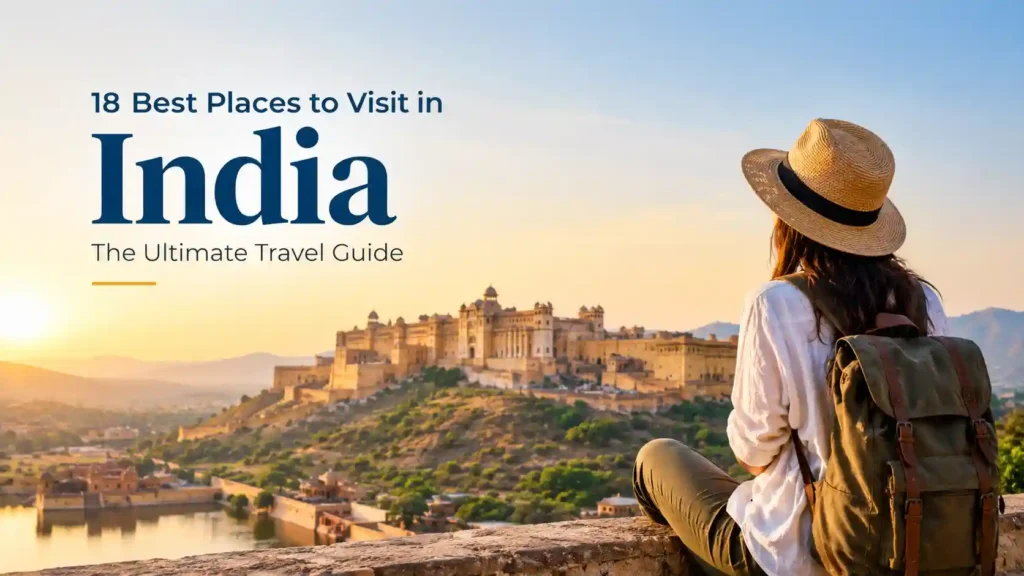
Best Places to Visit in India offer an incredible variety of travel experiences, from the snow-covered mountains of the Himalayas to the palm-fringed backwaters of Kerala. India brings together historic cities, ancient temples, coastal landscapes, mountain valleys, wildlife, diverse cultures, and distinctive regional cuisines, making it a fascinating destination for different types of travelers.
For a first-time visitor, deciding where to go can feel overwhelming. You could explore centuries-old forts in Rajasthan, watch the sunrise over the Ganges in Varanasi, cruise through Kerala's backwaters, or discover the high-altitude landscapes of Ladakh.
To make planning easier, this India travel guide brings together 18 destinations and experiences across the country, along with practical travel information and sample itineraries.
India at a Glance: Best Places to Visit by Travel Style
| Destination | State / UT | Best Known For | Ideal Duration | Best Time to Visit |
|---|---|---|---|---|
| Delhi | Delhi | Historic Monuments, Markets & Street Food | 2–3 Days | Oct – Mar |
| Agra | Uttar Pradesh | Taj Mahal & Mughal Architecture | 1–2 Days | Oct – Mar |
| Jaipur | Rajasthan | Royal Forts, Palaces & Pink Sandstone | 2–3 Days | Oct – Mar |
| Varanasi | Uttar Pradesh | Spiritual Ghats & Evening Ganga Aarti | 2–3 Days | Oct – Mar |
| Rishikesh | Uttarakhand | Yoga, Ashrams & River Rafting | 3–4 Days | Sep – Nov, Mar – May |
| Kerala Backwaters | Kerala | Houseboats, Lagoons & Village Landscapes | 4–6 Days | Sep – Mar |
| Munnar | Kerala | Tea Plantations & Mountain Landscapes | 2–3 Days | Sep – May |
| Hampi | Karnataka | Vijayanagara Ruins & Boulder Landscapes | 2–3 Days | Oct – Feb |
| Ladakh | Ladakh | High-Altitude Passes, Monasteries & Lakes | 5–7 Days | Jun – Sep |
| Goa | Goa | Beaches, Heritage & Coastal Experiences | 3–5 Days | Nov – Feb |
| Shimla | Himachal Pradesh | Colonial Architecture & Himalayan Views | 2–3 Days | Mar – Jun, Oct – Nov |
| Manali | Himachal Pradesh | Mountains, Valleys & Adventure | 3–4 Days | Mar – Jun, Oct – Feb |
| Udaipur | Rajasthan | Lakes, Palaces & Culture | 2–3 Days | Oct – Mar |
| Jaisalmer | Rajasthan | Golden Fort, Havelis & Thar Desert | 2–3 Days | Oct – Mar |
| Srinagar | Jammu & Kashmir | Dal Lake, Gardens & Mountain Scenery | 2–3 Days | Apr – Oct |
| Gulmarg | Jammu & Kashmir | Meadows, Mountains & Winter Activities | 2–3 Days | Dec – Apr |
| Lakshadweep | Lakshadweep | Coral Reefs, Lagoons & Marine Life | 3–5 Days | Oct – May |
| Alleppey | Kerala | Backwaters & Houseboats | 1–2 Days | Sep – Mar |
Travel conditions can vary by year and destination. Check local weather, road conditions, permits, and operating schedules before travelling.
1. The Heritage Heart: The Golden Triangle & Rajasthan
For first-time visitors, the classic Golden Triangle—Delhi, Agra, and Jaipur—offers an easy introduction to India's history, architecture, food, and culture.
Delhi: The Fusion of History and Modern Energy
India's capital brings together historic monuments, busy markets, museums, neighbourhoods, and a diverse food scene.
Top Highlights: Humayun's Tomb, the Red Fort, Qutub Minar, and the markets and food streets around Chandni Chowk.
Getting Around: The Delhi Metro connects many major parts of the city and can be a practical option for sightseeing.
Agra: The Home of the Taj Mahal
Located on the banks of the Yamuna River, Agra is best known for the Taj Mahal and its Mughal-era heritage.
Key Sights: The Taj Mahal, Agra Fort, and Fatehpur Sikri.
Photography Tip: An early-morning visit can offer softer light and cooler conditions, while also helping you avoid some of the busiest periods.
The Classic Route: Delhi → Agra → Jaipur → Delhi
Jaipur: The Vibrant Pink City
The capital of Rajasthan is known for its historic forts, palaces, markets, and distinctive architecture.
Amber Fort: A historic hilltop fort known for its courtyards, architecture, and Sheesh Mahal.
Hawa Mahal: The famous five-storey facade is one of Jaipur's most recognisable landmarks.
City Palace: A historic palace complex that continues to include royal residences and museums.
Rajasthan Tour: Forts, Palaces, and Desert Landscapes
Rajasthan offers a combination of historic cities, forts, palaces, desert landscapes, traditional crafts, and regional cuisine.
Udaipur: Known for its lakes, palace complexes, and scenic setting among the Aravalli hills.
Jaisalmer: Located in the Thar Desert, Jaisalmer is known for its golden sandstone architecture, Jaisalmer Fort, historic havelis, and desert landscapes.
A Rajasthan itinerary can combine Jaipur's historic landmarks with Udaipur's lakes and palaces and Jaisalmer's desert heritage.
2. Spiritual Sanctuaries and River Ghats
Varanasi: Life Along the Ganges
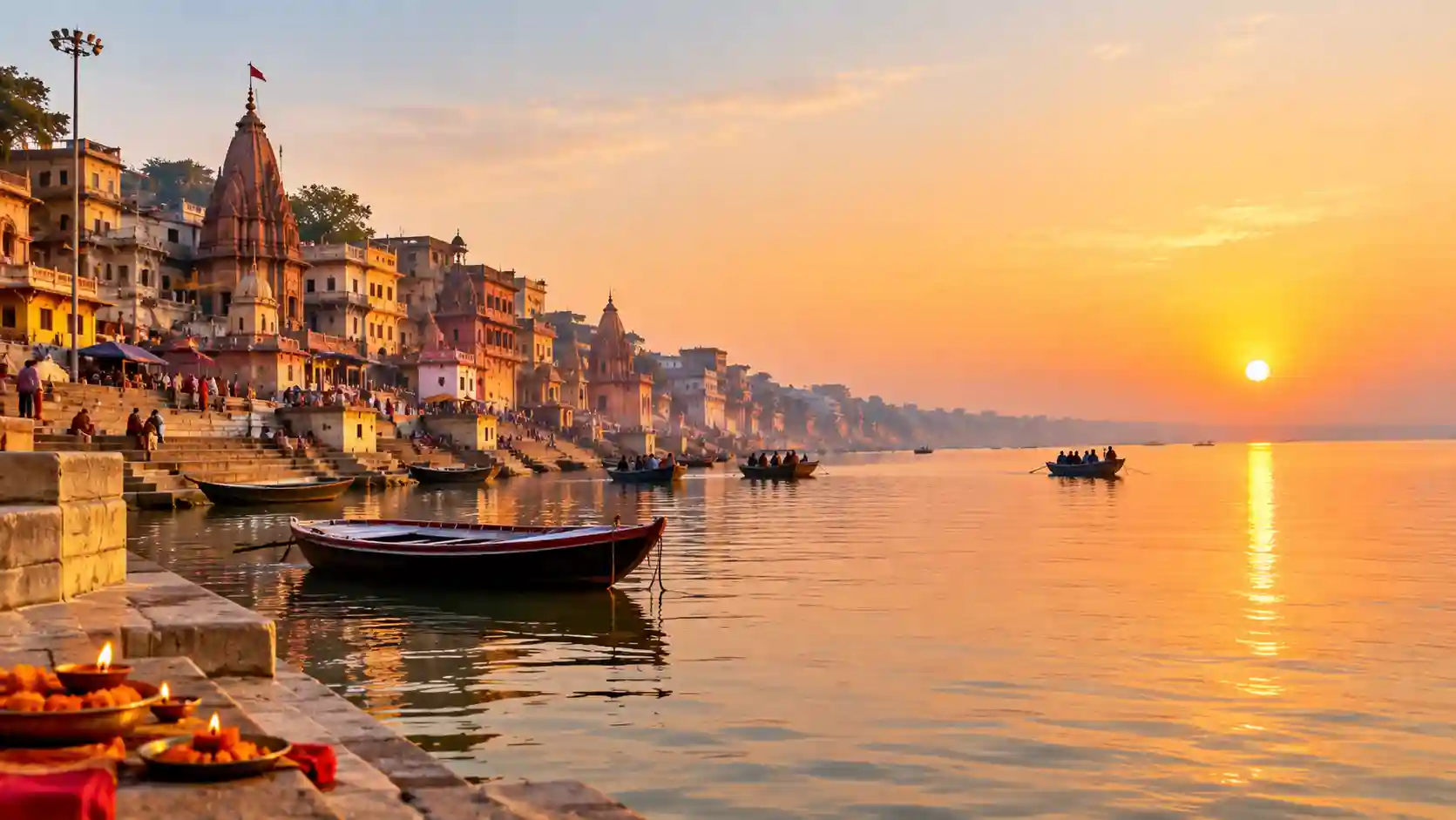
Varanasi is one of India's major pilgrimage cities and is closely associated with the Ganges and its historic ghats.
The Experience: A dawn boat ride offers a different perspective of the river and surrounding ghats. In the evening, visitors can experience the Ganga Aarti, a Hindu devotional ceremony involving lamps, music, and prayers.
Rishikesh: Yoga, Spirituality, and Adventure
Located in the Himalayan foothills along the Ganges, Rishikesh is widely known for yoga, meditation, ashrams, temples, and outdoor activities.
Things to Experience: Explore the riverside ghats and suspension bridges, visit ashrams and temples, or try activities such as river rafting where available and permitted.
Rishikesh is also officially promoted as a destination combining spiritual experiences with adventure activities.
3. South India: Backwaters, Hills, and Heritage
Kerala: Backwaters and Tropical Landscapes
Kerala is known for its backwaters, beaches, hill stations, forests, traditional villages, and cultural heritage.
Alleppey: Backwaters and Houseboats
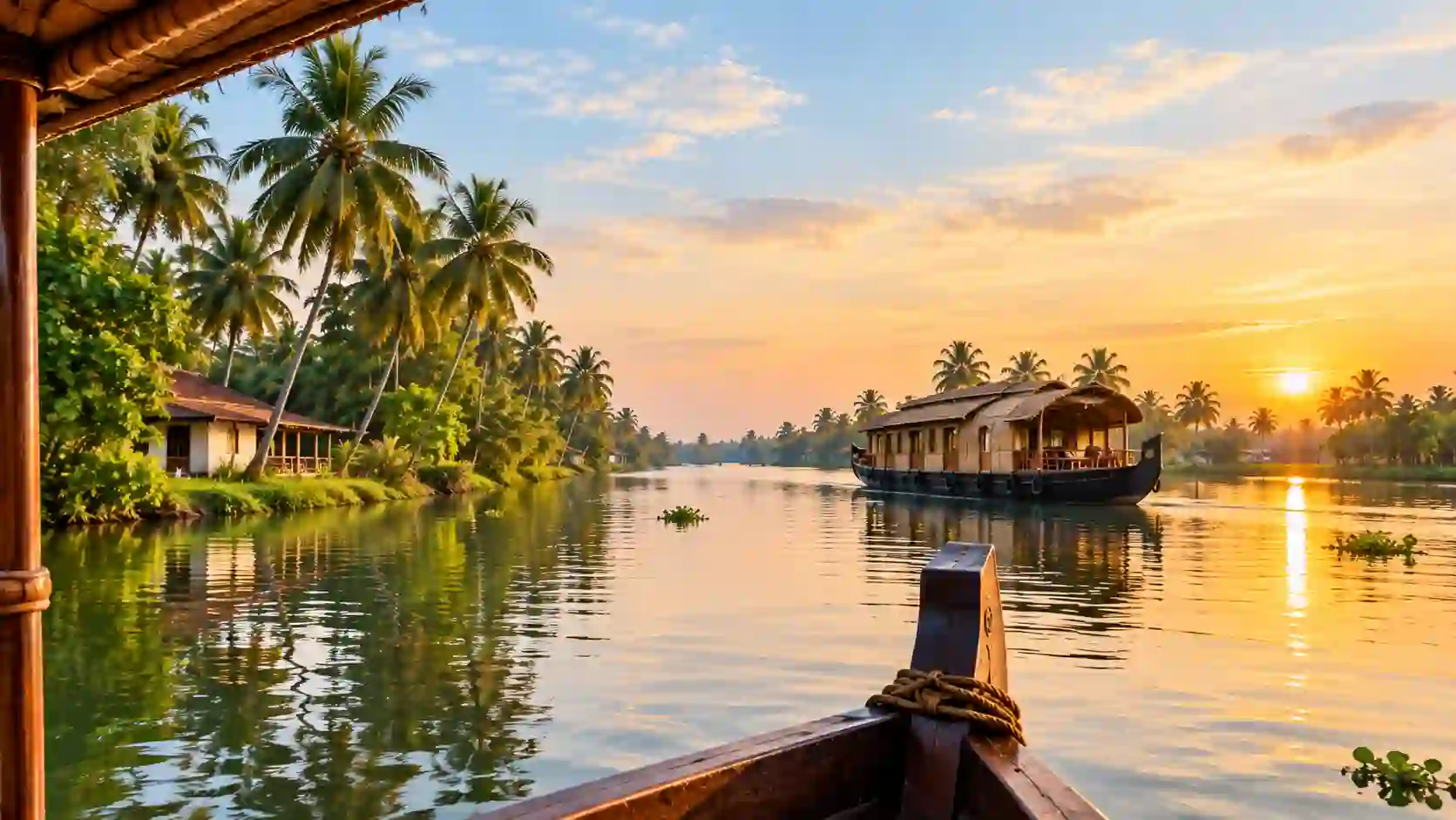
Alleppey, officially known as Alappuzha, is one of Kerala's best-known backwater destinations.
The Experience: Travel through canals, lagoons, and waterways aboard a traditional houseboat, often called a kettuvallam.
The backwater experience is particularly suited to travellers looking for a slower-paced journey surrounded by water and village landscapes.
Kumarakom: Lagoons and Village Landscapes
Kumarakom sits on the banks of Vembanad Lake and is known for its waterways, lagoons, birdlife, and peaceful village setting.
It can be combined with Alleppey as part of a wider Kerala backwater itinerary.
Munnar: Tea Plantations and Misty Hills
Munnar is a hill station in Kerala known for its tea plantations, rolling hills, cool climate, and surrounding mountain landscapes.
It is a natural addition to a Kerala itinerary for travellers who want to combine the backwaters with a hill-station experience.
Hampi: The Ancient Vijayanagara Landscape
Hampi in Karnataka is known for the extensive remains of the Vijayanagara Empire, historic temples, monuments, and dramatic granite boulder landscapes.
The archaeological landscape makes Hampi particularly appealing to travellers interested in history, architecture, and photography.
4. Mountains and High-Altitude Adventures
Ladakh: The Land of High Mountain Passes
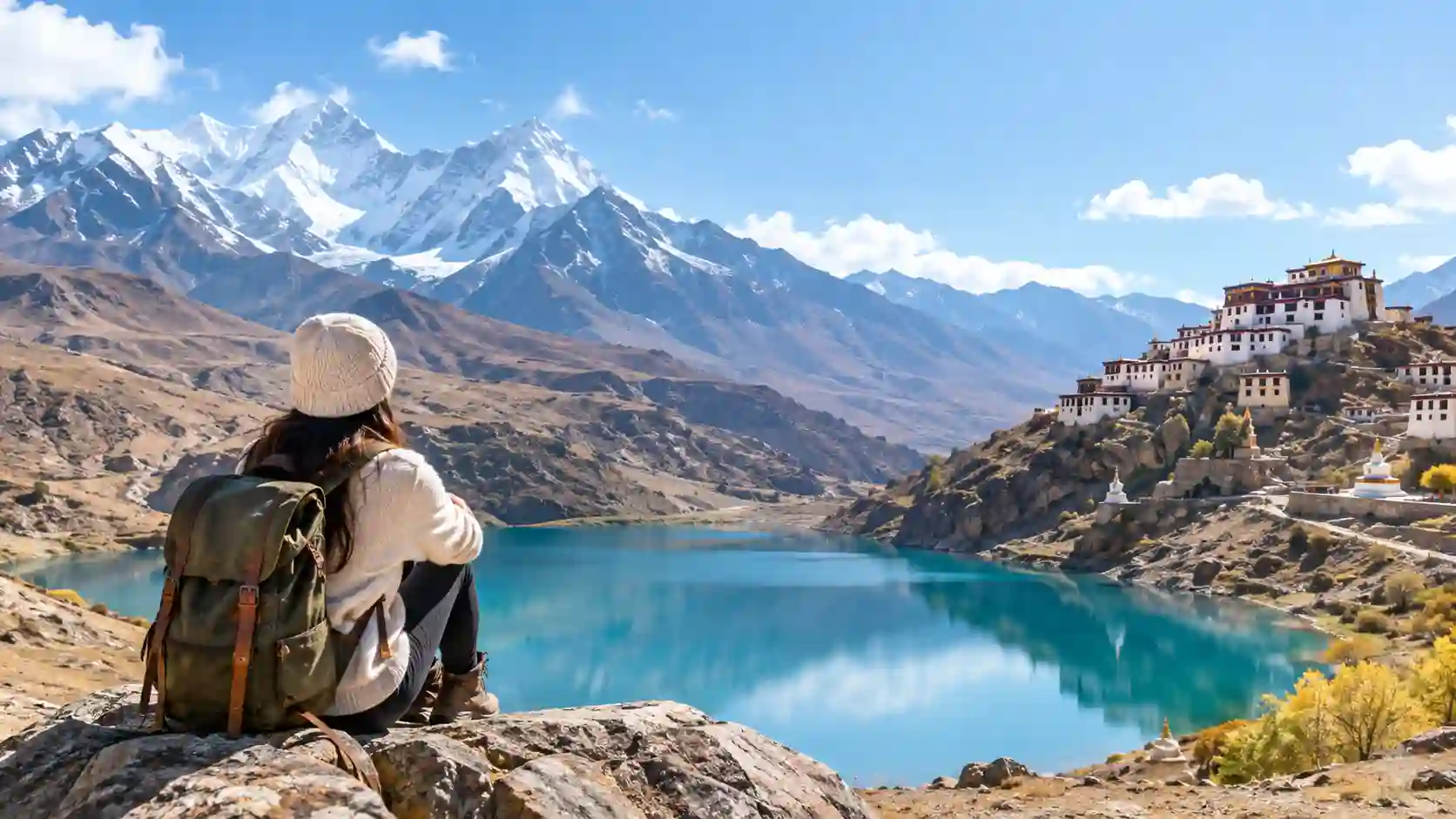
Ladakh is known for high-altitude landscapes, mountain passes, monasteries, valleys, and lakes.
Pangong Tso: A High-Altitude Himalayan Lake
Pangong Tso is a high-altitude lake situated at approximately 4,350 metres. The lake extends for almost 160 km, with roughly one-third in India and two-thirds in China. Its waters are known for their changing blue and green shades against the surrounding arid mountains.
Nubra Valley: High-Altitude Desert Landscapes
Nubra Valley combines high mountain scenery with villages, sand dunes, and cold-desert landscapes. Bactrian camels are also associated with the region.
Shimla: Colonial Heritage and Mountain Views
Shimla, the capital of Himachal Pradesh, is a Himalayan hill station known for colonial-era architecture, mountain scenery, historic landmarks, and shopping areas.
The Ridge & Mall Road: The Ridge is a central open space, while Mall Road is one of Shimla's main areas for shopping, restaurants, and sightseeing.
Jakhu Hill: One of Shimla's prominent high points and home to the historic Jakhu Temple.
Kalka–Shimla Railway: The historic railway line is part of the UNESCO-listed Mountain Railways of India.
Manali: Mountains, Rivers, and Adventure
Manali is a Himalayan mountain town known for forests, valleys, rivers, temples, and outdoor activities.
Hadimba Devi Temple: A historic wooden temple dedicated to Hidimba Devi and one of Manali's best-known cultural landmarks.
Vashisht: A village known for its temple and traditional hot springs.
Solang Valley: A popular destination for mountain scenery and seasonal outdoor activities.
Rohtang Pass: A high mountain pass near Manali. Access is seasonal and can be affected by weather, road conditions, and local regulations.
5. Kashmir: Valleys, Lakes, and Mountain Landscapes
Kashmir Tour: Srinagar, Gulmarg, and Pahalgam
Kashmir is known for its Himalayan scenery, lakes, gardens, meadows, and mountain destinations.
Srinagar: Lakes and Mughal Gardens
Srinagar is known for Dal Lake, houseboats, shikara rides, historic gardens, and mountain scenery.
Dal Lake: Shikara rides and houseboats are among the city's best-known experiences.
Mughal Gardens: Nishat Bagh, Shalimar Bagh, and Chashme Shahi are historic gardens associated with Srinagar.
Gulmarg: Meadows and Mountain Landscapes
Gulmarg is known for its meadows, mountain scenery, and winter activities such as skiing.
Gulmarg Gondola: The cable car is one of the area's major attractions and provides access to higher mountain areas.
Pahalgam: Valleys and Mountain Scenery
Pahalgam is known for its meadows, forests, the Lidder River, and surrounding mountain landscapes.
Nearby Highlights: Betaab Valley and Chandanwari are among the places commonly included in visits around Pahalgam.
6. Coastal Escapes and Island Paradises
Goa: Beaches, Heritage, and Coastal Experiences
Goa combines beaches, historic architecture, cultural traditions, food, and coastal landscapes.
North Goa: Areas such as Baga, Calangute, Anjuna, and Vagator are known for beaches, restaurants, markets, and nightlife.
South Goa: Palolem, Agonda, and Benaulim are among the beaches associated with a quieter coastal experience.
Heritage Highlights: Old Goa contains several historic churches and convents. The Basilica of Bom Jesus and other monuments form part of the UNESCO World Heritage property known as the Churches and Convents of Goa.
Nature & Activities: Depending on the season and local operators, Goa also offers opportunities for wildlife experiences, birdwatching, water activities, and dolphin-watching.
Lakshadweep: Coral Reefs, Lagoons, and Marine Life
Lakshadweep is a Union Territory of India made up of islands, atolls, and reefs in the Arabian Sea.
The destination is known for coral reefs, lagoons, beaches, and marine environments.
Agatti: Agatti is an important entry point for visitors and is known for its lagoon, beaches, and opportunities for water activities.
Kavaratti: The administrative capital of Lakshadweep is known for its lagoon, beaches, coral reefs, and cultural landmarks.
Bangaram: Known for its lagoon, beaches, coral reefs, and opportunities for snorkelling and diving.
Minicoy: The southernmost island of Lakshadweep has its own distinctive cultural traditions and is known for its lagoon, lighthouse, and marine environment.
Travel Note: Visitors to Lakshadweep require an entry permit. Requirements and permitted travel arrangements can change, so check the latest official guidance before booking.
Practical Guide: Planning Your Trip to India
Best Time to Visit
India has varied climates, so the ideal travel period depends on the destination.
October to March: Often a comfortable period for many destinations in northern, central, and parts of southern India, although temperatures vary considerably between regions.
May to September: This period can be suitable for destinations such as Ladakh and some Himalayan areas, subject to local weather and road conditions.
Always check the destination-specific forecast before travelling, particularly for mountain and high-altitude regions.
Getting Around
Domestic Flights: India's major cities and many regional destinations are connected by domestic air services.
Trains: India's extensive railway network can be useful for travelling between many major cities and tourist destinations.
Private Drivers: For multi-stop regional journeys, such as Rajasthan or Kerala, a licensed private car and driver can provide flexibility and convenience.
Curated Itineraries
1-Week Route: First-Time India Experience
Delhi (2 Days) → Agra (1 Day) → Jaipur (3 Days) → Delhi
This route focuses on three of India's best-known heritage destinations and works well for travellers visiting the country for the first time.
2-Week Route: Heritage & Backwaters
Delhi (2 Days) → Agra (1 Day) → Jaipur (2 Days) → Udaipur (2 Days) → Flight to Kochi → Munnar (2 Days) → Alleppey Houseboat (1 Day)
This itinerary combines North Indian heritage with Kerala's hill landscapes and backwaters.
Start Your Indian Adventure Today
India offers something different in almost every region. You can explore historic cities, relax beside tropical backwaters, discover Himalayan landscapes, experience desert heritage, or spend time on coral islands.
Planning the right route can make a major difference to your experience.
Whether you need premium transport, private chauffeur services, or help coordinating travel between destinations, Cabio Tourism can help you plan a smoother journey across India.
Plan Your Trip with Cabio Tourism
A destination as diverse as India deserves more than a simple travel booking—it deserves a carefully planned experience.
Plan your stress-free trip across India with Cabio Tourism today!